

When Paul Lee thinks back on his first year in the U.S. after moving over from Korea, he takes stock of how so much has changed.
He had gotten married. He had quit his marketing job. And he found himself in a new country, face-to-face with an existential question: what now?
It turns out, the answer was to start his own business, an app business to be precise.
But he couldn’t just get started. He was a marketer after all, and admittedly, didn’t have the technical chops to really know how.
So he set a goal: maybe he could teach himself enough coding in a month to build an app, and to close that knowledge gap.
“I was wrong,” he ended up discovering.
It would actually take him six months to scale that learning curve. But it was well worth it, because by the end of it all, Paul managed to build his first working app. It was a whiskey journaling tool, created for people who wanted to keep notes on all the varieties they’d tasted before.
It was personal too, tied to his own love for whiskey. But alas, as any marketer is bound to experience at some point in their career: the product just didn’t quite find its footing with an audience, at least not at the scale that Paul had hoped for.
So Paul archived the lesson, and took it with him on his next quest — this time, the clues to his next idea would come from his own childhood.
Paul had grown up with an active imagination, always daydreaming, constantly inventing worlds. Heroes. Villains. Battle scenes. Places that didn’t exist, except in his own mind.
Then it hit him: “I could make all those characters, and all those places a reality, with some help from AI.”
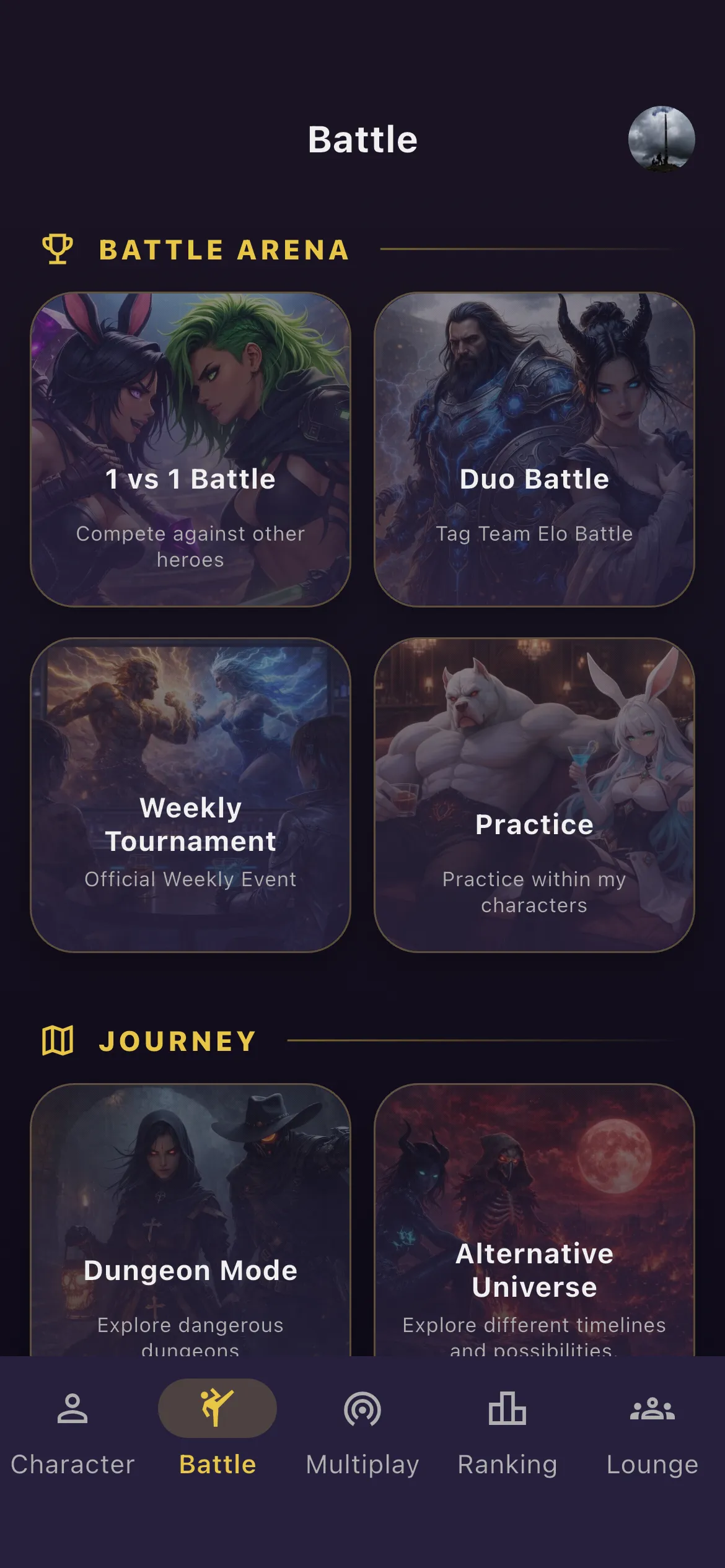
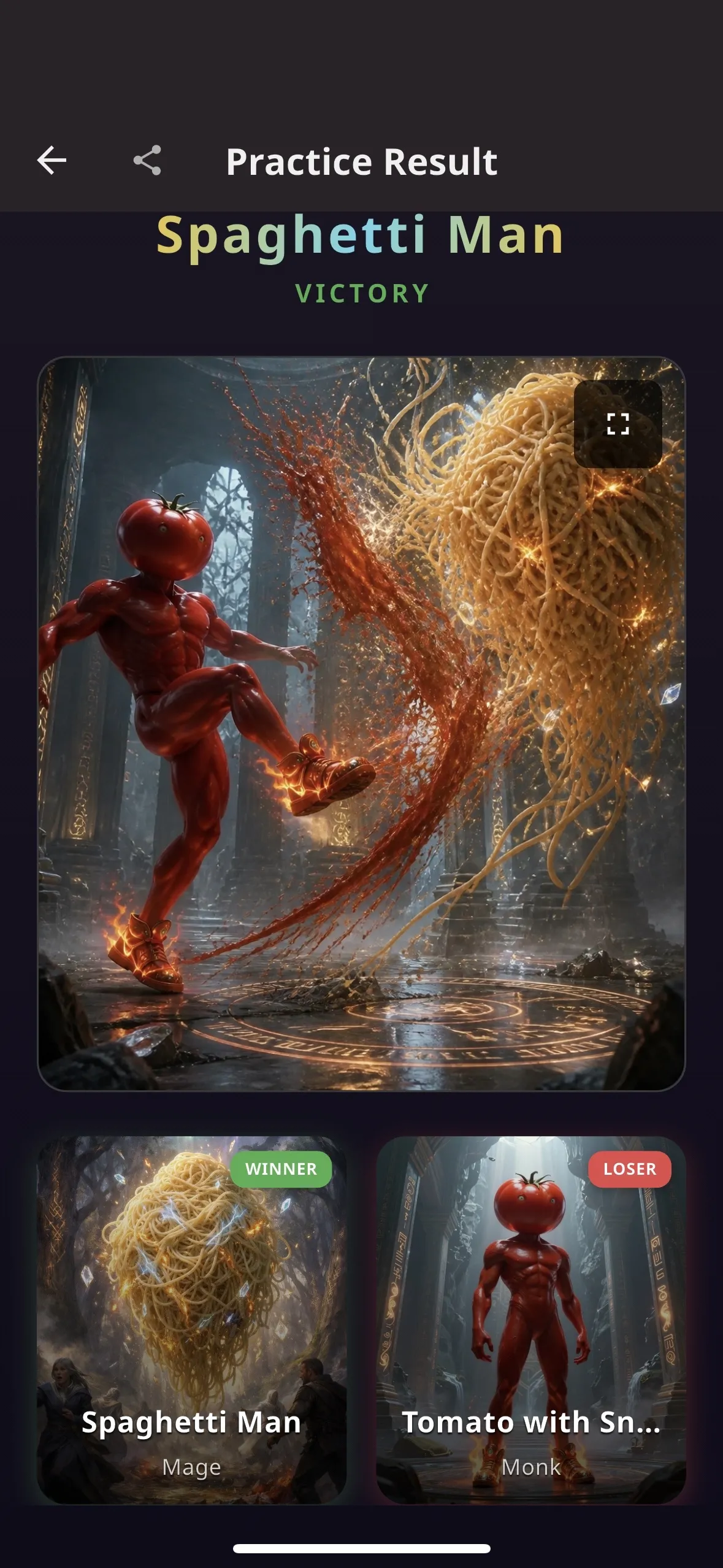
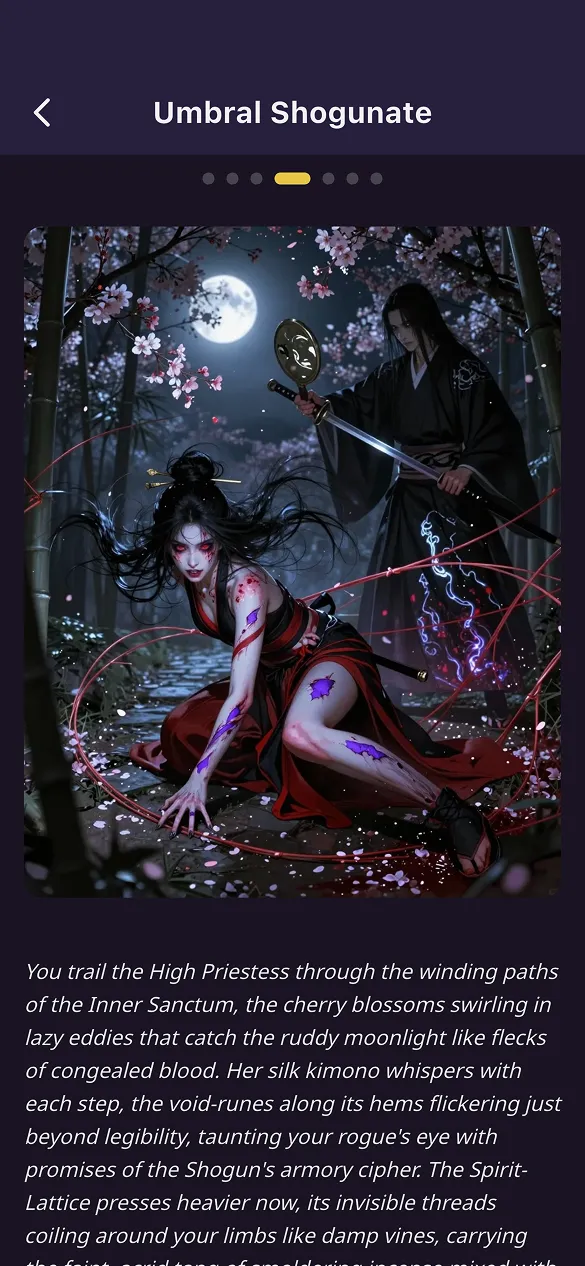
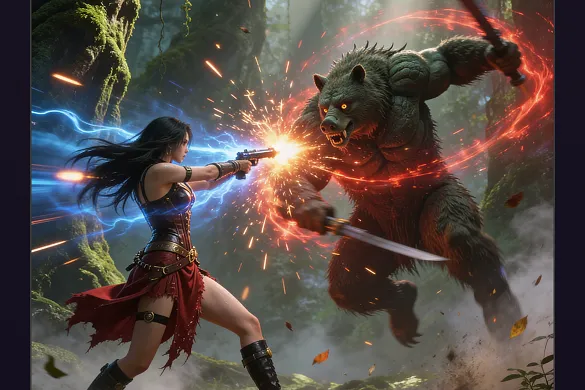
And that bit of alchemy: human creativity mixed with AI, ultimately gave rise to Taleborn, an AI text-based RPG whose name means “a tale is born.” The game lets people create characters, heroes, then pits them against one another in an imaginary battlefield, where AI decides the ultimate victor.
So when it came time for Paul to share an early version of Taleborn on Reddit, to test the waters, he had only expected to round up a small party.
What he got instead was more like an entire guild.
“People loved it,” he says. “People came in and sent me a lot of feedback. They loved the idea, and what’s more, they wanted to contribute their ideas into my app.”
It was a marketer’s paradise: people were more than playing, they were commenting, communing, suggesting, even creating.
“When people come in and write a good story about how they enjoyed a feature I implemented, I feel incredibly happy,” Paul shares. “Now I understand why people get into solo development.”